
Celebrate Your Story on Canvas – One Memory at a Time
Whether it's a milestone, a memory, or a simple joy, we’re here to make it a lasting part of your home.
-

Add Photos
-

We Deliver
-

You Stick


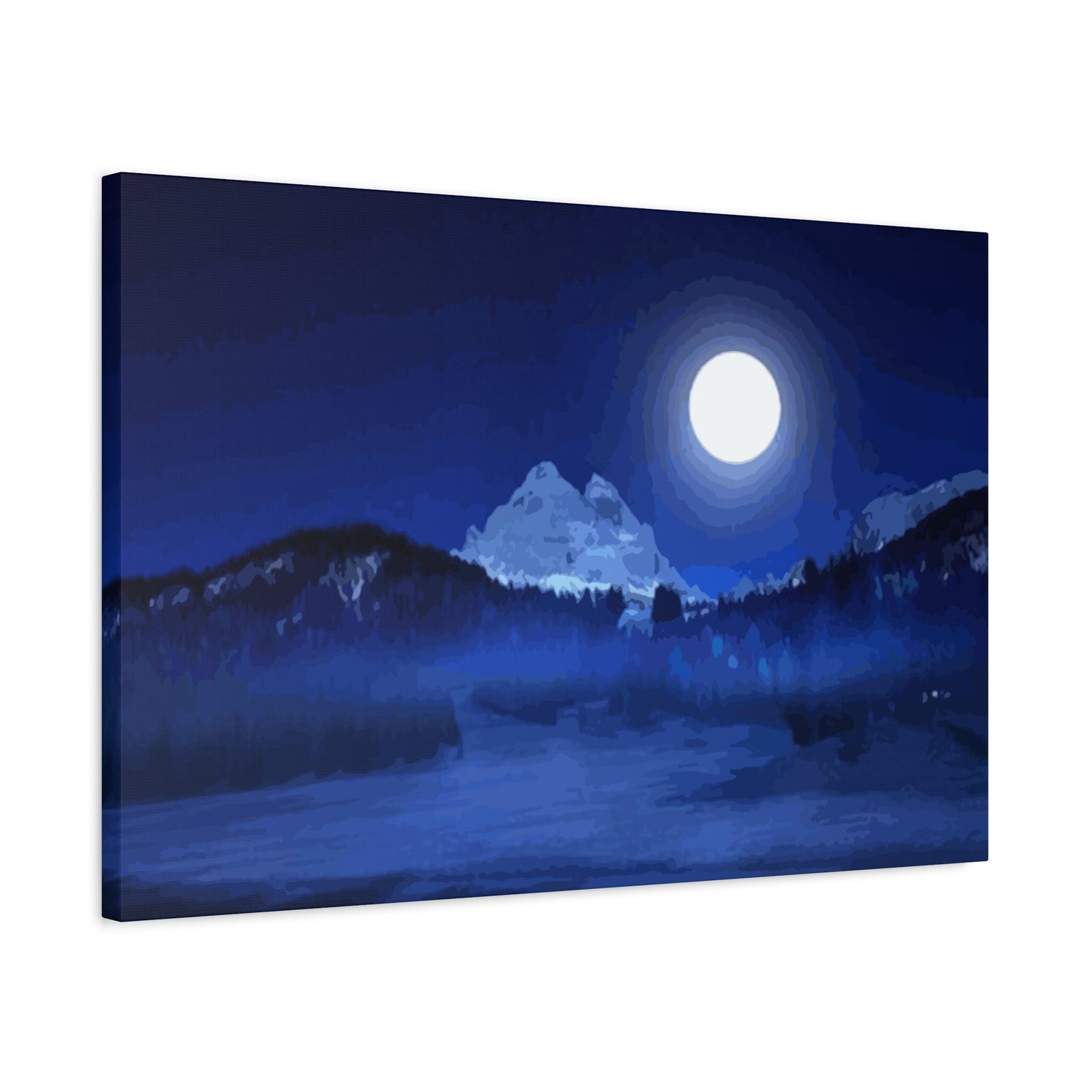
Or Select From Our Wide Range of Collections
Turn your favorite phone pics into prints that stick and restick.
They’re removeable, reusable, and leave no marks.
How it Works
-

1
Upload a photo or choose from our canvas
-

2
The art is printed and shipped to you

Happiness Guaranteed

Reviews That Made Our Day
Up to 40% off + Free Shipping
“I was impressed with the quality of the canvas prints from Prints4Sure. The colors are vibrant, and the image clarity is excellent—true to what I uploaded. The materials feel durable, and they arrived in perfect condition.”

“I love that I can rearrange them without damaging my walls, and they’re perfect for renters or anyone looking for a hassle-free personal story décor solution. They adhere well and are easy to reposition."
“I wanted to create a keepsake for my grandparents’ 50th wedding anniversary. I uploaded a photo from their wedding day and added one from a recent family gathering for a ‘Then and Now’ theme. The detail was beautiful, and it was so clear despite the older photo."
“I recently got married, and my husband and I ordered a large canvas of our favorite wedding photo from Prints4Sure. When it arrived, I almost cried—everything looked stunning, from the clarity of our faces to the warmth of the colors."
-

Rated 4.9 on the Appstore
Based on 80,000+ Reviews
-

-

Rated Excellent on Trustpilot
Based on 10,000+ Reviews


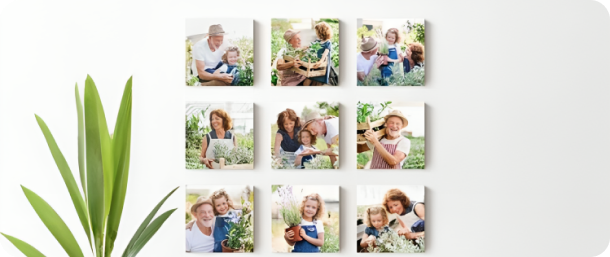
Creative Home Décor with Wall Picture Tiles and Abstract Wall Art
Transforming your living space into a personalized sanctuary requires more than just furniture and functional pieces. Wall picture tiles and abstract wall art offer innovative solutions for homeowners seeking to inject personality, color, and visual interest into their interiors. These decorative elements have revolutionized how we approach wall design, moving beyond traditional framed paintings to embrace versatile, modern alternatives that adapt to various aesthetic preferences. Wall picture tiles provide modular flexibility that allows for creative arrangements and easy updates, while abstract wall art introduces artistic sophistication that sparks conversation and emotional response.
The appeal of these decorative options lies in their accessibility and versatility. Wall picture tiles come in countless materials, sizes, and finishes, from ceramic and porcelain to metal and acrylic, allowing you to customize displays that reflect your unique style. Abstract wall art transcends literal representation, inviting viewers to interpret colors, shapes, and textures according to their own experiences and emotions. Together, these elements offer endless possibilities for creating distinctive interiors that stand apart from cookie-cutter designs. Whether you're renovating an entire home or refreshing a single room, incorporating wall picture tiles and abstract art provides impact without requiring extensive construction or permanent alterations. This comprehensive guide explores how to leverage these creative elements to design spaces that inspire, comfort, and truly represent who you are.
Tile Material Options Available
Wall picture tiles come in diverse materials that each bring distinct aesthetic qualities and practical characteristics to your décor. Ceramic tiles remain the most popular choice, offering affordability, durability, and extensive design options ranging from solid colors to intricate patterns. Glazed ceramic tiles provide smooth, easy-to-clean surfaces perfect for kitchens and bathrooms where moisture resistance matters. Porcelain tiles deliver superior density and strength, withstanding heavy use while maintaining their appearance through years of wear. Their non-porous nature makes them ideal for high-humidity areas, and modern printing technology allows porcelain tiles to convincingly mimic natural stone, wood, or fabric textures.
Metal tiles introduce industrial elegance through materials like brushed aluminum, copper, or stainless steel that reflect light and create dynamic visual effects. These tiles work beautifully in contemporary kitchens as backsplashes or in modern living spaces as accent features. Glass tiles offer translucent beauty that plays with light, creating luminous effects particularly striking in spaces with good natural or artificial illumination. Acrylic and resin tiles provide lightweight alternatives that resist breakage, making them suitable for rental properties or homes with children. Natural stone tiles like marble, slate, or travertine bring organic texture and timeless elegance, though they require more maintenance than manufactured alternatives. Wood tiles or wood-look ceramic tiles add warmth and natural appeal without the moisture sensitivity of real hardwood. Your material choice should balance aesthetic preferences with practical considerations like room function, maintenance requirements, and installation complexity.
Abstract Art Styles Defined
Abstract wall art encompasses numerous styles, each offering different visual languages and emotional impacts that can transform your space's atmosphere. Geometric abstraction employs shapes, lines, and precise forms to create structured compositions that feel orderly and intellectual. This style suits modern and minimalist interiors where clean lines and rational design principles dominate. Bold geometric pieces with contrasting colors provide focal points without overwhelming spaces, while subtle geometric works in neutral tones add sophistication without demanding attention. Gestural abstraction, conversely, emphasizes spontaneous brushwork and expressive marks that convey energy and emotion through visible artistic process.
Color field abstraction focuses on large areas of flat color that create meditative, immersive experiences. These pieces work beautifully in spaces where you want calming, contemplative atmospheres that encourage relaxation. The simplified compositions allow colors themselves to become the subject, making color field works ideal when you need artwork that complements rather than competes with other design elements. Lyrical abstraction combines gestural freedom with color field sensibilities, creating flowing, organic compositions that feel romantic and expressive. Mixed media abstract art incorporates diverse materials like fabric, paper, metal, or found objects, adding textural dimension that makes artwork physically engaging beyond visual interest. Hard-edge abstraction features crisp boundaries between color areas, creating graphic impact perfect for contemporary spaces. Minimalist abstraction strips away everything non-essential, leaving only fundamental elements that create powerful statements through restraint. Understanding these styles helps you select abstract art that harmonizes with your interior design philosophy and creates the specific mood you're cultivating.
Color Palette Selection Matters
Choosing appropriate color palettes for your wall tiles and abstract art determines whether these elements enhance or disrupt your room's harmony. Monochromatic schemes using variations of a single hue create sophisticated, cohesive looks that feel intentional and refined. Layering different shades, tints, and tones of one color through tiles and artwork adds depth without visual confusion. This approach works exceptionally well in small spaces where too many colors create chaotic, cramped feelings. Blue monochromatic schemes evoke tranquility perfect for bedrooms and bathrooms, while gray monochromatic palettes suit modern, industrial-inspired spaces.
Complementary color schemes pair opposites on the color wheel—blue and orange, purple and yellow, red and green—creating vibrant, energetic compositions that command attention. Use complementary colors strategically in spaces where you want dynamic, stimulating atmospheres like creative studios or entertainment areas. Analogous color schemes employ adjacent colors on the wheel, such as blue, blue-green, and green, producing harmonious, nature-inspired palettes that feel peaceful and balanced. Triadic color schemes use three evenly spaced colors on the wheel, offering vibrant diversity while maintaining balance. Neutral palettes featuring whites, grays, beiges, and blacks provide timeless sophistication that adapts easily to changing décor trends. Accent color strategies use predominantly neutral tiles and artwork with strategic pops of bold color that inject personality without overwhelming. Your color choices should consider existing room elements like flooring, furniture, and architectural features, ensuring your wall treatments integrate rather than clash with established design elements.
Installation Patterns Create Impact
The arrangement pattern you choose for wall picture tiles dramatically affects the final aesthetic, transforming identical tiles into distinctly different looks. Straight stack patterns align tiles in simple grids with uninterrupted vertical and horizontal lines, creating clean, modern appearances perfect for contemporary spaces. This straightforward pattern suits minimalist aesthetics and allows tile designs themselves to star without competing with complex layouts. Running bond patterns offset each row by half a tile length, mimicking traditional brick laying and adding subtle visual movement that prevents monotony without introducing complexity.
Herringbone patterns arrange rectangular tiles in zigzag formations that create dynamic, sophisticated looks with strong directional movement. This classic pattern works beautifully in traditional and transitional spaces, adding elegance through geometric complexity. Chevron patterns resemble herringbone but use tiles cut at angles to create continuous V-shapes, producing bold, contemporary statements ideal for accent walls. Basketweave patterns alternate vertical and horizontal tile pairs, creating woven appearances that add texture and traditional charm. Diagonal patterns turn straight sets forty-five degrees, introducing energy and making spaces appear larger through diagonal sight lines. Mosaic patterns combine small tiles in intricate designs or random configurations, allowing for artistic expression and custom imagery. Versailles patterns mix multiple tile sizes in organized randomness that mimics French chateau floors, bringing Old World elegance to modern homes. Consider how patterns interact with room dimensions—horizontal patterns widen narrow spaces while vertical patterns heighten rooms with low ceilings.
Texture Adds Dimensional Interest
Incorporating textured elements through tiles and abstract art creates tactile richness that elevates interiors beyond purely visual experiences. Textured wall tiles range from subtle surface variations to dramatic three-dimensional relief patterns that cast shadows and catch light throughout the day. Raised geometric patterns on ceramic or porcelain tiles add sculptural quality perfect for feature walls in living rooms or bedrooms. Wave patterns create organic movement suggesting water or wind, bringing natural elements indoors. Linear textures with parallel ridges or grooves introduce subtle dimension that catches light without overwhelming spaces.
Abstract art with physical texture invites closer inspection and creates layered visual experiences that flat prints cannot match. Impasto techniques using thick paint application create peaks and valleys that change appearance as lighting shifts throughout the day. Mixed media abstracts incorporating fabric, paper, sand, or metal produce complex surfaces that engage multiple senses. Canvas textures visible through thinner paint applications add organic quality that connects artwork to natural materials. Textured frames or mounting surfaces enhance even flat artwork through dimensional contrast. When combining textured tiles with textured art, balance becomes crucial—pairing highly textured tiles with subtle artwork prevents visual competition, while smooth tiles provide calm backgrounds for heavily textured pieces. Consider how textures feel as well as look, especially in frequently touched areas where tactile experience matters. Matte textures absorb light for soft, understated effects, while glossy textures reflect light for brighter, more energetic presentations.
Scale and Proportion Guidelines
Proper sizing of tiles and artwork relative to wall dimensions and room scale ensures balanced, professional-looking results that enhance rather than overwhelm spaces. Large-format tiles measuring 12x24 inches or bigger create modern, streamlined looks with fewer grout lines, making spaces feel larger and less busy. They work beautifully in open-concept areas and expansive walls where small tiles might appear fussy or dated. However, large tiles can overwhelm small bathrooms or narrow walls, making moderate sizes more appropriate. Standard subway tiles at 3x6 inches offer versatile middle ground suitable for various applications and style preferences.
Abstract artwork should occupy appropriate wall space relative to surrounding elements. Above sofas or beds, artwork spanning approximately two-thirds of the furniture width creates pleasing proportions without appearing too small or overpowering. In dining areas, pieces above buffets should be narrower than the furniture piece while maintaining substantial presence. Large-scale abstract pieces measuring 48 inches or more make bold statements in spacious rooms with high ceilings, while smaller works under 24 inches suit intimate spaces or groupings. When creating gallery-style arrangements with multiple abstract pieces, vary sizes while maintaining overall balance—largest pieces anchor compositions while smaller works support and complement. Consider ceiling height when selecting artwork dimensions; rooms with eight-foot ceilings accommodate smaller pieces better than spaces with ten-foot or vaulted ceilings that demand larger-scale art to maintain proportional relationships between architecture and decoration.
Placement Strategies for Tiles
Strategic tile placement transforms functional surfaces into decorative features that define room character and direct visual attention. Backsplash applications in kitchens protect walls from cooking splashes while offering prime opportunities for creative tile displays. Full-height backsplashes extending to upper cabinets create dramatic impacts, while standard four-inch backsplashes provide subtle protection with minimal visual presence. Consider extending backsplashes behind stoves or sinks as focal features using special tiles or patterns that differ from surrounding areas. Bathroom applications range from full wall coverage in shower enclosures to wainscot-height installations that add interest without overwhelming small spaces.
Accent walls featuring decorative tiles create focal points in living rooms, bedrooms, or entryways without requiring complete room coverage. Fireplace surrounds offer natural opportunities for tile treatments that frame architectural features while introducing color, pattern, and texture. Vertical stripes of decorative tiles running floor-to-ceiling create height illusions in rooms with standard ceiling heights. Horizontal bands at eye level add visual interest without dominating walls. Behind floating shelves or open cabinetry, tile treatments peek through to provide unexpected color and pattern moments. Niche installations in showers, above bathtubs, or in hallway alcoves showcase special tiles in contained areas where they receive attention without competing with larger surfaces. Consider traffic patterns and sightlines when placing decorative tiles—position them where they'll be noticed and appreciated, such as on walls facing room entries or seating areas. Avoid placing expensive or intricate tile work in spaces where furniture or fixtures will obscure them.
Abstract Art Placement Works
Positioning abstract artwork correctly maximizes visual impact while creating harmonious relationships with architectural features and furnishings. Above seating areas, artwork anchors furniture groupings and provides focal points that draw attention without demanding uncomfortable upward gazing. Center pieces horizontally above sofas, ensuring approximately six to eight inches of space between the sofa back and the artwork's bottom edge. This distance connects artwork to furniture while preventing pieces from appearing to rest directly on upholstery. In bedrooms, position artwork above beds at similar distances, ensuring sleepers don't feel artwork looming overhead.
Dining rooms benefit from abstract art positioned on walls visible from the table, creating conversation pieces that enhance meal experiences without interfering with serving or traffic flow. Hallways and entryways offer opportunities for gallery-style displays where multiple abstract pieces guide visitors through spaces. Stairway walls present unique opportunities for stepped arrangements following the staircase angle, creating dynamic displays that utilize otherwise difficult spaces. Office areas need artwork positioned within comfortable viewing range from desks or seating, ideally at eye level when seated. Bathrooms accommodate smaller abstract pieces that add personality to often-overlooked spaces, positioned where they're visible without interfering with mirror use. Avoid placing valuable artwork in direct sunlight that causes fading, near heat sources that damage materials, or in high-humidity areas unless properly sealed. Consider how artwork interacts with lighting—pieces positioned to receive natural light during peak usage times enhance daily experiences, while those in dimmer areas benefit from dedicated picture lighting or adjustable fixtures.
Mixing Tiles with Art
Combining wall picture tiles and abstract art within the same space creates layered, sophisticated interiors when executed with intentional coordination. Complementary approaches use tiles and artwork sharing similar color palettes while offering different textures and patterns. Kitchen backsplashes in cool blues paired with blue-and-white abstract art in adjacent dining areas create flowing color stories that unify spaces. Contrasting strategies pair neutral tiles with vibrant abstract artwork, allowing each element to shine without competing—subway tiles in crisp white provide calm backgrounds for colorful, expressive abstracts.
Consider scale relationships when combining these elements. Large-format tiles with minimal pattern variation pair well with complex, busy abstract art since neither overwhelms the other. Conversely, intricate tile mosaics benefit from simpler abstract pieces that provide visual rest. Textural balance also matters—highly textured tile installations pair beautifully with flat, smooth abstract prints, while smooth glossy tiles complement heavily textured impasto paintings. Separate these elements spatially to prevent visual confusion; if your kitchen features decorative tile backsplashes, place abstract art in the adjoining dining area rather than on the same wall plane. Alternatively, use tiles and artwork on perpendicular walls that create dialogue without directly competing. Color coordination remains crucial—extract accent colors from your tile work and echo them in abstract art selections, or reverse this approach by choosing tiles that complement existing artwork. This intentional color linking creates cohesive interiors where all elements feel purposefully selected and harmoniously arranged.
Lighting Enhances Visual Appeal
Proper illumination transforms both wall tiles and abstract art from pleasant décor into stunning focal points that define room ambiance. Natural light showcases tiles beautifully, particularly glass and metallic varieties that sparkle and shift as sunlight moves throughout the day. Position reflective tiles on walls receiving abundant natural light to maximize their luminous qualities. However, protect abstract artwork from direct sunlight that causes fading and deterioration, especially pieces created with light-sensitive materials like watercolors or untreated fabrics.
Artificial lighting provides control over how decorative elements appear during evening hours and in spaces lacking natural light. Under-cabinet lighting in kitchens illuminates tile backsplashes, highlighting colors and textures while providing task lighting for food preparation. LED strip lights installed above or below tile features create dramatic wash effects that emphasize texture and dimension. Picture lights mounted directly above abstract artwork provide focused illumination that highlights details and colors. Track lighting offers flexibility to adjust beam direction as you rearrange artwork or add new pieces. Recessed spotlights create gallery-quality illumination when positioned to minimize glare and shadows. Dimmable fixtures allow lighting intensity adjustments for different times and occasions. Warm white bulbs (2700-3000K) complement traditional spaces and warm color palettes, while cool white bulbs (4000-5000K) enhance contemporary interiors and cool-toned artwork. Consider installing multiple lighting layers—ambient lighting for overall illumination, task lighting for functional needs, and accent lighting specifically highlighting tiles and artwork—to create versatile, adjustable environments.
Budget Planning Approaches Help
Creating stunning interiors with wall tiles and abstract art doesn't require unlimited funds when you approach purchases strategically. Tile costs vary dramatically based on material, size, and origin. Standard ceramic tiles start affordably while natural stone and handcrafted artisan tiles command premium prices. Budget-conscious approaches include using expensive decorative tiles as accents surrounded by affordable field tiles in complementary colors. This strategy provides visual impact where it matters while controlling overall costs. Remnant tiles from flooring stores often sell at deep discounts, perfect for small projects like backsplashes or accent features.
Abstract artwork spans price ranges from affordable prints to original paintings costing thousands. Reproduction prints of famous abstract works offer recognizable style at accessible prices. Online marketplaces connect buyers with emerging artists selling original abstracts more affordably than established gallery names. Print-on-demand services let you upload designs or select from vast libraries, printing on canvas or paper at reasonable costs. Thrift stores and estate sales sometimes yield hidden abstract treasures requiring only cleaning or reframing. DIY approaches let you create custom abstract pieces using acrylic paints, canvas, and basic techniques learned through online tutorials—originality and personal meaning often outweigh technical perfection. Prioritize spending on items occupying prominent positions like main living area artwork or kitchen backsplashes, using less expensive options in secondary spaces. Phased approaches let you tackle one area at a time rather than stretching budgets thin across entire homes. Quality matters more than quantity—fewer high-quality pieces create better impressions than numerous cheap items that appear obviously inexpensive.
Maintenance Requires Regular Attention
Preserving the beauty of wall tiles and abstract art requires appropriate cleaning methods and preventive care. Ceramic and porcelain tiles need regular wiping with mild detergent solutions to remove dust, grease, and grime. Avoid abrasive scrubbers that scratch glazed surfaces, opting for soft cloths or non-scratch sponges. Grout lines require separate attention since they stain and discolor over time. Grout-specific cleaners remove buildup, while grout sealers applied annually prevent staining and moisture penetration. Stone tiles demand pH-neutral cleaners formulated specifically for natural stone since acidic products etch surfaces.
Abstract artwork maintenance depends on medium and surface treatment. Canvas pieces benefit from gentle dusting with soft, dry cloths or vacuum brush attachments on low settings. Never use liquid cleaners on untreated canvases as moisture damages fibers and causes warping. Acrylic paintings tolerate light cleaning with barely damp cloths if protected by varnish layers. Framed abstracts behind glass clean like framed prints with glass cleaner applied to cloths rather than directly on glass. Inspect hanging hardware periodically, tightening loose screws and replacing damaged components before failures occur. Monitor artwork for fading, particularly in sunny locations, rotating pieces seasonally to distribute light exposure. Control humidity levels between 40-60% to prevent mold growth on canvas and paper while avoiding excessive dryness that causes cracking. Professional art conservation services address damage beyond routine maintenance, though prevention through proper display and regular care proves far more practical and economical. Establish simple maintenance routines performed monthly or quarterly to keep tiles and artwork looking fresh and beautiful for years.
Personal Style Drives Choices
Your individual aesthetic preferences should ultimately guide decisions about wall tiles and abstract art rather than rigid adherence to trends or popular opinions. Some homeowners gravitate toward bold, saturated colors that energize spaces and reflect extroverted personalities. Others prefer muted, neutral palettes that create serene environments encouraging relaxation and contemplation. Neither approach is inherently superior—authenticity matters more than following design rules. If vibrant, pattern-rich tiles and explosive abstract art bring you joy, embrace them fully regardless of minimalist trends dominating design magazines.
Traditional sensibilities appreciate classic tile patterns like subway layouts or timeless basketweave arrangements paired with abstract art leaning toward geometric or color field styles. Contemporary preferences embrace large-format tiles in unexpected finishes like concrete-look porcelain paired with gestural abstracts featuring bold brushwork. Eclectic spirits mix Moroccan-inspired zellige tiles with mixed media abstracts combining diverse materials and techniques. Bohemian styles layer colorful patterned tiles with organic, flowing abstracts in earthy tones. Industrial aesthetics pair metal or concrete-look tiles with minimalist abstracts in black, white, and gray. Your home should reflect your journey, interests, and values rather than perfectly executing someone else's vision. Trust your instincts when pieces resonate emotionally, even if they don't fit conventional wisdom. Surround yourself with tiles and artwork that spark positive feelings, inspire creativity, or simply make you smile when you see them. Design confidence comes from owning your choices rather than second-guessing whether they meet external approval. The most successful interiors feel authentic to their inhabitants, creating spaces that genuinely nurture and represent the people living within them.
DIY Installation Saves Money
Installing wall picture tiles yourself provides significant cost savings while offering creative satisfaction from hands-on home improvement. Basic tile installation requires manageable tools including tile cutters or saws, trowels, spacers, grout floats, and sponges—all available at hardware stores. Online tutorials and instructional videos teach fundamental techniques for surface preparation, adhesive application, tile setting, and grouting. Start with small, forgiving projects like kitchen backsplashes before attempting large or complex installations. Proper surface preparation proves crucial; walls must be clean, dry, level, and structurally sound before tile installation.
Self-installation of abstract artwork demands even less specialized skill. Basic tools include measuring tapes, levels, hammers, and appropriate hanging hardware matched to artwork weight and wall type. Adhesive strips offer damage-free hanging solutions perfect for renters or those hesitant about wall holes. Gallery wall templates help visualize arrangements before committing to nail placement. Canvas stretching and framing represent more advanced DIY skills but remain accessible through practice and patience. Building custom frames from molding saves money while ensuring perfect size matches. Creating your own abstract art provides the ultimate customization and budget control. Acrylic pouring, palette knife techniques, and mixed media approaches require minimal training while producing impressive results. Online art communities provide feedback, encouragement, and technical guidance. DIY approaches demand time investment and willingness to accept imperfect results as learning experiences. Know when to hire professionals—complex tile patterns, valuable artwork installation, or projects exceeding your comfort level warrant expert help. Balance cost savings against time investment and potential mistakes requiring expensive corrections.
Rental-Friendly Temporary Options
Renters can enjoy wall tiles and abstract art without permanent alterations that violate lease agreements or forfeit security deposits. Peel-and-stick tiles offer removable solutions that mimic real tile aesthetics while remaining completely reversible. Modern peel-and-stick varieties come in countless styles from subway tiles to intricate mosaics, suitable for backsplashes, accent walls, or bathroom updates. Quality varies significantly—premium options adhere reliably while removing cleanly, while cheap versions may peel prematurely or leave residue. Test small sections in inconspicuous areas before committing to visible installations.
Removable wallpaper featuring tile patterns provides another temporary option requiring no adhesive beyond what's already on the product. Magnetic tiles stick to magnetic primer applied to walls, offering rearrangeable designs changeable at whim. Freestanding tile panels or room dividers incorporate decorative tiles without wall attachment, providing portable solutions moving with you between residences. For abstract artwork, command strips and adhesive hooks hang pieces without nails or screws, supporting substantial weight when used according to manufacturer specifications. Lean large canvases against walls atop furniture or floors for casual gallery looks requiring zero wall penetration. Portable easels display artwork while remaining easily movable. Tension rods installed in window frames or between walls support hanging artwork without requiring holes. Build freestanding gallery walls using room divider frames or suspended cable systems anchored by floor-standing supports. Document original wall conditions photographically before any installations, even temporary ones, protecting against deposit disputes. Always obtain landlord permission before proceeding with any installations, ensuring mutual understanding about what's acceptable and how spaces should be restored upon move-out.
Seasonal Updates Keep Fresh
Rotating wall tiles and abstract art seasonally maintains visual interest while allowing you to enjoy more decorative elements throughout the year. While permanent tile installations don't suit seasonal changes, temporary peel-and-stick tiles or decorative tile panels enable rotating designs. Spring might feature floral or botanical tile patterns in fresh greens and soft pastels. Summer could bring coastal blues and sandy neutrals evoking beachy vibes. Autumn calls for warm harvest tones in rustic patterns, while winter embraces cool silvers and whites suggesting snow and ice.
Abstract artwork lends itself beautifully to seasonal rotation. Spring abstracts might feature light, airy compositions in yellow, pink, and green suggesting renewal and growth. Summer pieces embrace saturated colors and energetic compositions reflecting season's vitality. Autumn artwork incorporates oranges, burgundies, and browns in compositions suggesting harvest abundance and transitional change. Winter abstracts use cool blues, grays, and whites in minimalist or geometric styles matching season's starkness. Maintain storage solutions for off-season items—acid-free boxes or breathable fabric bags protect artwork in climate-controlled spaces. Label items clearly for easy identification when rotation time arrives. Photograph seasonal arrangements you particularly love, creating reference guides for future years. Seasonal changes provide opportunities to deep clean walls, inspect hardware, and refresh spaces without major renovations. This practice particularly benefits those who tire of static environments, offering built-in novelty that keeps homes feeling current. Consider subtle variations rather than complete overhauls—swapping accent tiles or key artwork pieces while maintaining core elements provides freshness without requiring complete reinstallation. Seasonal rotation extends budgets since you're actively using and appreciating more items rather than neglecting purchases that never leave storage.
Conclusion
Wall picture tiles and abstract wall art offer powerful tools for transforming ordinary rooms into extraordinary spaces that reflect your personality while elevating daily living experiences. These versatile décor elements provide accessible entry points for creative expression regardless of budget constraints, technical skills, or home ownership status. Wall tiles bring pattern, color, and texture through diverse materials ranging from affordable ceramic to luxurious natural stone, each offering distinct aesthetic qualities suited to different applications and style preferences. Installation patterns from simple straight sets to complex herringbone arrangements multiply design possibilities, allowing identical tiles to create dramatically different looks based solely on layout choices. Textured tiles add dimensional interest that flat surfaces cannot match, creating sculptural qualities that change throughout the day as light shifts and shadows move.
Abstract wall art introduces artistic sophistication that transcends literal representation, inviting personal interpretation through colors, shapes, and compositions that speak to emotions rather than depicting recognizable subjects. The variety of abstract styles from geometric precision to gestural spontaneity ensures options suiting every aesthetic preference and interior design philosophy. Color field works create meditative calm perfect for restful spaces, while energetic gestural abstracts inject vitality into social areas. Mixed media pieces add tactile richness engaging multiple senses beyond purely visual appreciation. Scale considerations ensure artwork maintains appropriate proportional relationships with architectural features and surrounding furnishings, preventing pieces from appearing too small and insignificant or overwhelmingly large and dominating.
Strategic placement maximizes impact for both tiles and artwork through thoughtful consideration of room functions, traffic patterns, viewing angles, and lighting conditions. Kitchen backsplashes protect walls while providing prime opportunities for decorative tile displays visible during daily meal preparation. Bathroom tiles transform purely functional wet areas into spa-like retreats through careful material and pattern selection. Accent walls featuring decorative tiles create focal points without requiring complete room coverage. Abstract artwork positioned above seating areas anchors furniture groupings while providing visual interest at comfortable viewing heights. Hallways and entryways become gallery spaces showcasing multiple pieces that guide visitors through homes while making strong first impressions.
Combining wall tiles with abstract art creates layered, sophisticated interiors when executed with intentional coordination balancing colors, textures, and scales. Complementary color strategies link these elements through shared palettes while varied textures prevent monotony. Proper lighting enhances both tiles and artwork, transforming them from pleasant décor into stunning focal points defining room ambiance through natural daylight and adjustable artificial illumination. Budget planning strategies ranging from using expensive decorative tiles as accents to exploring emerging artists and DIY approaches make creative home décor accessible across all price points. Quality matters more than quantity—fewer high-quality pieces create better impressions than numerous cheap items obviously purchased to fill space rather than curate beauty.
Maintenance through regular cleaning preserves tiles and artwork appearances while preventing deterioration requiring expensive restoration. Simple routines performed monthly keep decorative elements looking fresh for years of enjoyment. Personal style should ultimately drive all décor decisions since authenticity creates more satisfying environments than rigidly following trends or design rules. Bold personalities embrace saturated colors and busy patterns while contemplative spirits prefer muted neutrals creating serene atmospheres. Neither approach is superior—what matters is creating spaces genuinely reflecting inhabitants rather than mimicking showrooms or design magazines.
DIY installation offers cost savings and creative satisfaction for those willing to invest time learning basic techniques, though knowing when to hire professionals prevents expensive mistakes on complex projects. Rental-friendly temporary options including peel-and-stick tiles and command strip artwork hanging enable renters to personalize spaces without permanent alterations violating lease terms. Seasonal rotation maintains visual interest by allowing you to enjoy more decorative elements throughout the year while preventing boredom with static environments. This practice extends budgets by actively using more purchases rather than letting items languish in storage indefinitely.